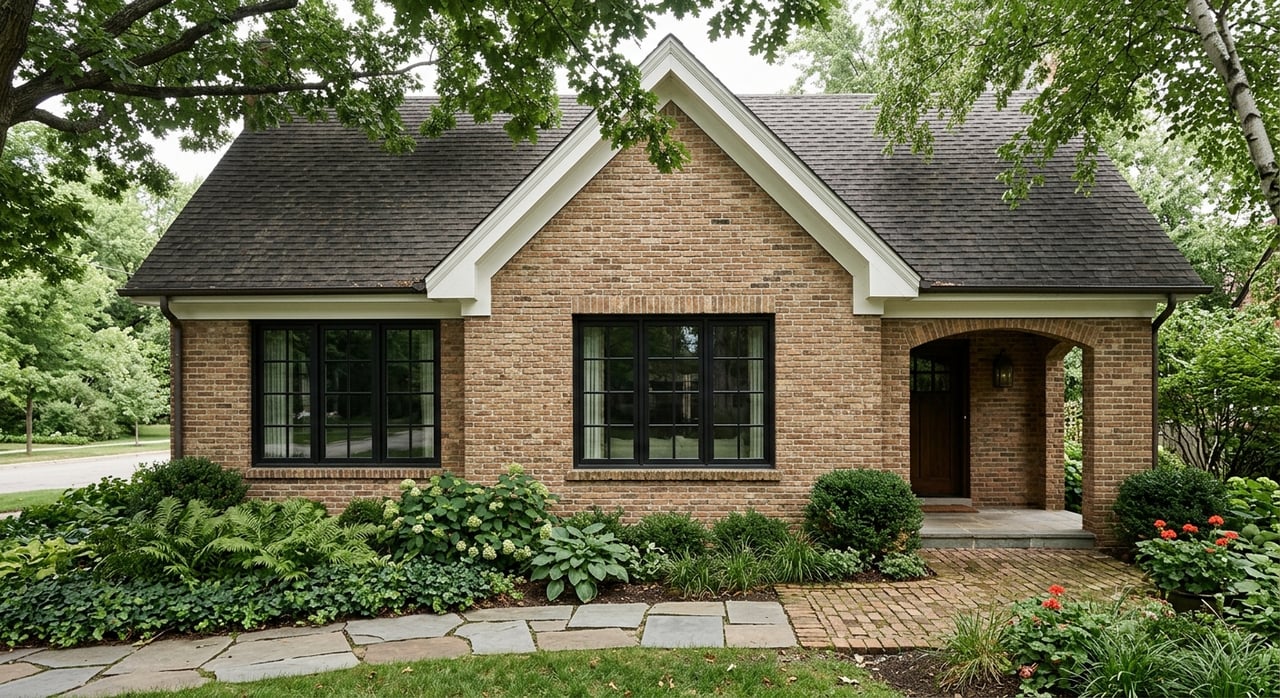
Trying to decide between a brand-new home and an established one in Naperville? You are not alone, and in this market, the choice is rarely just about age. It is about lifestyle, timing, inventory, upkeep, and how you want your home to live from day one. If you are weighing both options, this guide will help you compare the tradeoffs clearly and make a more confident decision. Let’s dive in.
Naperville's Housing Reality
In Naperville, the decision between new construction and an established home starts with the city’s housing supply. According to city housing analysis, 54.8% of the housing stock was built between 1980 and 1999, while only 3.9% has been built since 2010. That means resale homes make up the far broader set of choices.
Naperville also reports that developable land is limited, and that constraint has helped push property values higher. The city estimates long-term demand would require about 510 to 565 housing units per year, while actual construction is closer to 340 per year. In simple terms, new construction exists, but it is limited compared with the established-home market.
That matters if you want flexibility in location, lot style, architecture, or move-in timing. In Naperville, buyers often compare a smaller pool of newer homes against a much wider range of resale opportunities.
Why Buyers Choose New Construction
New construction usually appeals to buyers who want a more turnkey feel. If you prefer modern layouts, newer materials, and the chance to enjoy major systems at the start of their lifecycle, a new home can be compelling. For many buyers, the biggest draw is simplicity.
Naperville’s permit process also shows that new homes are built within a structured local review environment. The city requires permits for new construction, and for permits submitted on or after April 1, 2026, projects must follow the 2024 ICC building codes. The city also encourages energy efficiency, renewable energy, and EV-ready design in new development.
For luxury-minded buyers, that can align well with a desire for current design, cleaner utility planning, and reduced near-term maintenance. A newer home may also offer a more predictable first few years of ownership, especially if you would rather spend time enjoying the property than updating it.
New Construction Advantages
- More current layouts and finishes
- Newer roofs, mechanicals, and major systems
- Opportunity for design selections or customization, depending on the project
- Potential for energy-conscious features and EV-ready planning
- Less immediate renovation work after closing
New Construction Tradeoffs
- Fewer available homes overall in Naperville
- Limited developable land can narrow location choices
- Build timelines may add waiting time
- Streetscapes and landscaping may feel newer at move-in
Why Buyers Choose Established Homes
Established homes attract buyers for a different set of reasons. In Naperville, they often offer a more settled setting, mature landscaping, and a stronger sense of neighborhood continuity. If you value a finished streetscape and the feeling that a home is part of a long-standing fabric, resale homes often deliver that more naturally.
The city’s historic-preservation materials note that Naperville protects neighborhood character, and its local historic district includes about 320 properties, including 253 homes. The city also highlights the value of mature trees and plantings, and its urban-forest program states that trees add value to homes and neighborhoods. That helps explain why many established streets feel especially complete from the day you close.
Established homes can also support a faster move. Because the structure already exists, you may be able to purchase and occupy the home sooner than you could with a new build. If your timeline is tight, that can be a major advantage.
Established Home Advantages
- Wider selection across Naperville
- More mature landscaping and tree canopy
- More varied architecture and lot characteristics
- Faster occupancy in many cases
- Often closer to the city’s long-established neighborhood patterns
Established Home Tradeoffs
- More potential for maintenance and repair
- Inspection findings may reveal updates you need to budget for
- Remodeling plans may require permits after closing
- Older infrastructure can be part of the ownership picture
Naperville’s local projects reinforce that maintenance is real in older housing areas. For example, the city is replacing aging sanitary sewer pipe in East Highlands, including clay pipe installed in the 1960s. The city also requires permits for many additions and exterior improvements, which matters if you plan to renovate after purchase.
Compare the Day-One Experience
One of the clearest differences between new and established homes is how the property feels on closing day. A new home may give you fresh systems, current code standards, and a more modern interior experience. An established home may give you a more rooted setting, mature trees, and a streetscape that feels complete.
Naperville specifically notes the value of its urban forest, and that point matters more than many buyers first realize. New lots usually start younger, while older neighborhoods often have tree canopy and planting patterns that have developed over decades. If outdoor atmosphere matters to you, this can be a meaningful part of the decision.
Budget Means More Than Price
It is easy to focus on purchase price, but in Naperville, your full monthly cost deserves equal attention. Census QuickFacts shows a median owner-occupied home value of $540,200 and median monthly owner costs with a mortgage of $3,154. That makes total carrying cost a practical part of choosing between a newer home and a resale home.
Property taxes also matter. Naperville notes that property taxes fund long-term obligations and are based on assessed value, with the county handling bill-payment questions and the township handling assessment questions. Whether you choose new construction or an established home, you will want to evaluate the whole ownership picture, not just the initial contract price.
For some buyers, a new home may reduce short-term repair spending. For others, an established home may offer more location choices or property features that justify future updates. The right answer depends on how you want to allocate your budget over time.
Timeline Can Decide the Answer
Sometimes the better choice is simply the one that fits your move schedule. A resale home can often be purchased and occupied faster because it is already built. If you need to relocate on a specific timeline or want to avoid a longer wait, that can push you toward an established property.
New construction usually adds permit review and build time. Naperville says a complex new single-family home may be reviewed within three to four weeks, but that is just one part of the overall process. If timing is your top concern, make sure you compare realistic occupancy dates rather than ideal scenarios.
Check the Address, Not Just the House
In Naperville, the address itself can shape your experience. The city sits in both DuPage and Will counties, and the exact location can affect school district, township, tax handling, and historic-district rules. That means two homes with similar price points can come with different practical considerations.
Naperville also notes that its two public school districts are major market drivers. District 203 serves more than 16,000 students across 23 schools, and District 204 serves roughly 26,000 students from portions of Naperville and nearby suburbs. District 204 says its boundary maps are a reference and general guide, so address-level verification matters before you move forward.
This is especially important when comparing new construction and established homes in different parts of the city. The home itself may be only one piece of the decision.
Think About Resale from the Start
Even if you plan to stay for years, it helps to think ahead. In a supply-constrained market like Naperville, both new and established homes can have strong appeal, but they often tell a different value story. A newer home may attract future buyers with modern layouts and efficiency-minded features.
An established home may appeal through architecture, lot maturity, and proximity to long-standing neighborhood amenities. Naperville’s land scarcity, preservation efforts, and limited new construction pipeline all help explain why both categories can remain desirable. The question is less about which is universally better and more about which type aligns with the kind of value you want to own.
Which Choice Fits You Best?
New construction may be the better fit if you want lower near-term maintenance, current design, and a more turnkey ownership experience. It can also make sense if you are willing to trade broader location options for newer finishes and systems.
An established home may be the better fit if you want a more mature setting, more inventory choices, and the ability to move sooner. It can also be the stronger option if you value lot character, tree canopy, and a neighborhood feel that has had time to settle in.
In Naperville, this is rarely a simple apples-to-apples comparison. It is a personal decision shaped by budget, timing, location, property condition, and the lifestyle you want to step into.
If you want help weighing the tradeoffs with discretion and a clear eye for value, Jill Clark can help you compare opportunities and navigate Naperville with confidence.
FAQs
Is there a lot of new construction in Naperville?
- Not compared with the overall housing stock. City housing analysis says only 3.9% of Naperville homes were built since 2010, and annual construction is below estimated long-term demand.
Are established homes in Naperville always outdated?
- No. Established homes often appeal because of neighborhood character, mature landscaping, and tree canopy, though some may need maintenance or modernization.
What is the biggest advantage of new construction in Naperville?
- Many buyers choose new construction for newer systems, current layouts, and the possibility of energy-conscious or EV-ready design.
What is the biggest advantage of established homes in Naperville?
- Established homes usually offer more selection, more mature surroundings, and faster occupancy because the home already exists.
Does location within Naperville affect the decision?
- Yes. Exact address can affect county, township, tax handling, school district, and whether historic-district rules apply.
Can an established home still require city permits after I buy it?
- Yes. Naperville requires permits for many additions and exterior improvements, so planned updates after closing may need city review.