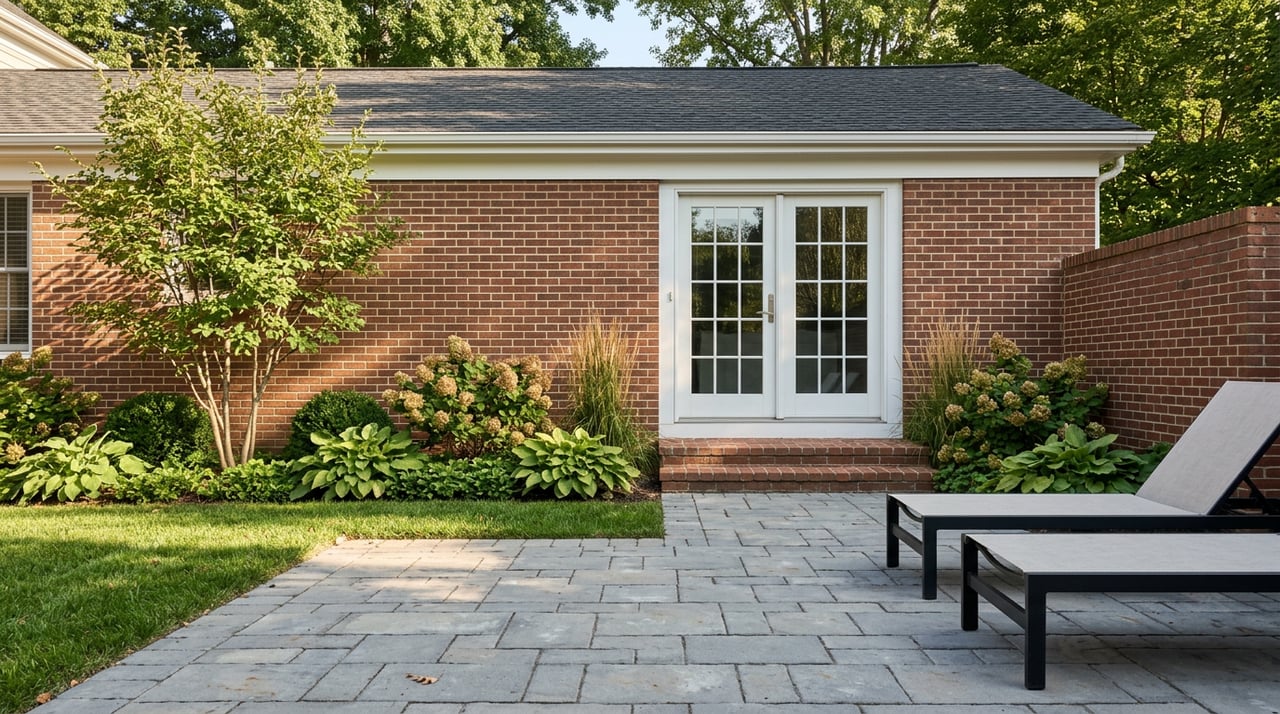
Thinking about trading weekend chores for a simpler, lock-and-leave lifestyle in Naperville? You are not alone. Many longtime residents are rightsizing to enjoy more freedom, walkability, and travel without worrying about snow removal or yard work. In this guide, you will learn the most practical low-maintenance options in Naperville, how HOA fees and rules work, and what to look for in buildings and neighborhoods. Let’s dive in.
Why downsize in Naperville now
Naperville gives you choices. Recent market snapshots show the city’s median sale price in the high-500s to low-600s, with downtown properties often priced above the city median. Prices and days on market move seasonally, so it makes sense to plan your timeline with current data in mind. If you want to stay close to familiar shops, parks, and medical care, Naperville offers strong lifestyle value without a full house to maintain.
What low-maintenance living looks like here
Condos
Condo buildings often include controlled access, elevators, and shared amenities like fitness rooms and lounges. Many associations cover exterior maintenance, landscaping, and snow removal, which makes travel easy. You will carry an individual unit policy (HO-6) while the association maintains a master building policy, so confirm what each policy covers. The tradeoff is a monthly HOA fee and possible rental restrictions, and you should always ask about reserves and recent special assessments.
Townhomes
Townhomes feel more like a house with multiple levels and a private garage, but an HOA usually handles common-area landscaping and snow removal. In Naperville, monthly assessments often run in the low-to-mid hundreds depending on the development and amenities. Many buyers choose townhomes for extra interior space without the full burden of exterior upkeep. Review the association’s maintenance chart so you know what is covered and what remains your responsibility.
Smaller single-family homes
If you want a private yard with manageable upkeep, consider a smaller single-family home or a single-level ranch. You get full control without shared walls, and you may find homes outside an HOA, which can reduce monthly fees. The tradeoff is direct responsibility for items like roofs, gutters, and siding. For some buyers, this balance of privacy and lighter maintenance is ideal.
55+ options and local programs
Large 55+ gated communities are less common inside Naperville city limits. Many downsizers choose in-town condos or townhomes for convenience. If you prefer to stay in Naperville, the city’s resources make aging in community easier. The City’s Senior Services directory points to transportation, support, and programs you can use to stay active and independent. Explore the City of Naperville’s Senior Services and resource directory for current options and contacts: Naperville Senior Services. For classes, trips, and social groups, the Park District’s Active Adults programs are a great place to start: Naperville Park District Active Adults.
Budgeting for a stress-free move
Plan your total monthly housing cost so your new home feels effortless. Start with your expected purchase price, then add mortgage (if any), property taxes, HOA dues, unit insurance, and utilities. National context shows HOA fees are common and rising, and Naperville listings often fall between roughly 200 and 460 dollars per month depending on building age and amenities. DuPage County’s effective property tax burden is higher than the U.S. average, and taxes can vary by county and school district boundaries within Naperville, so confirm the exact tax number for any listing you are considering.
HOA due diligence that protects you
A low-maintenance home should reduce surprises. Before you commit, review key association documents and history so you know how the property is managed.
What to request and why
- Declaration, bylaws, and rules: Show what the association maintains versus what you maintain, plus any pet or rental rules.
- Budget and reserve study: Healthy reserves fund big projects like roofs and paving. Illinois guidance makes clear that developers and boards have fiduciary duties around reserve planning. Read more on reserve expectations here: Illinois HOA reserve duties.
- Meeting minutes and litigation: Minutes reveal upcoming capital projects and assessments. Recorded lawsuits can be red flags.
- Insurance: Confirm the master policy and what your HO-6 must cover. For common bylaw and insurance issues, see this plain-language overview: Common Illinois condo bylaw issues.
- Collections and liens: Understand the association’s process for unpaid assessments, since Illinois law gives associations lien powers. For a clear outline of collection practices, review: Illinois HOA assessment collections.
Special assessments in plain English
Reserves are the association’s savings account for major repairs. If reserves are underfunded, the board can raise dues or levy a special assessment. For buyers on fixed or conservative budgets, this is the surprise cost to avoid. Ask for the latest reserve study plus 3 to 5 years of actual financials so you can see whether long-term projects are funded.
Walkability, Riverwalk, and daily convenience
If you love the idea of walking to dinner and errands, focus on downtown and nearby neighborhoods. The Riverwalk and Water Street area host shops, dining, and regular community events that make it easy to stay active. You can preview the flavor of downtown life with this events roundup: Things to do in Naperville. For walkability comparisons, look up neighborhood scores and take a test walk: Downtown Naperville WalkScore.
Transit and easy travel
Naperville has two Metra stops (Naperville and Route 59), and the City manages daily-fee commuter parking. Many downsizers value the ability to leave for extended trips, then return to an easy parking and train routine. For parking options and payment details, bookmark the City’s page: Naperville commuter parking.
Health care and local support
Proximity to health care can be a deciding factor. Edward Hospital anchors a major regional medical campus right in Naperville, which many buyers appreciate for peace of mind. Learn more about the hospital’s profile: Edward Hospital overview. For day-to-day services and support, the City’s senior resources and the Park District’s active adult programs help you stay connected without moving far from home.
Accessibility and single-floor living
Single-floor layouts, elevator access, and no-step entries can make daily life easier for many buyers. National research shows that fewer than 4 percent of homes have the three common accessibility features, so plan for alternatives if mobility is a priority. Look for condo buildings with elevators, first-floor primary suites in townhomes, or ranch homes you can adapt over time. For a broader look at aging-in-place housing needs, review this research summary: Harvard JCHS Older Adults report.
Three smart paths to rightsizing in Naperville
- Walkable downtown condo: Choose a mid-rise with an elevator and association services that include exterior maintenance, lawn care, and snow removal. This gives you turnkey living steps from the Riverwalk and local dining.
- Townhome near Route 59: Gain extra interior space, attached garage parking, and HOA-managed exterior upkeep. This is a good match if you want suburban calm with quick Metra access.
- Ranch on a smaller lot: Enjoy privacy and a manageable yard without monthly HOA dues. Plan a maintenance schedule for big-ticket items and keep a local vendor list for seasonal tasks.
A simple plan to make the move
- Clarify priorities: First-floor living, walkability, and proximity to family or medical care are common needs. Use online walkability tools and visit target areas in person to confirm the feel.
- Build your budget: Add mortgage (if any), property tax, HOA dues, unit insurance, and utilities. Keep room for possible HOA increases.
- Do HOA homework: Request declaration, bylaws, rules, the current budget, reserve study, 3 to 5 years of financials, meeting minutes, insurance certificate, and the management contract. Ask for explanations in plain language.
- Test the lifestyle: Walk to a grocery, pharmacy, and a favorite restaurant from your top-choice buildings. Ride Metra from the lot you plan to use and confirm parking works for your schedule.
- Inspect for mobility: Prioritize single-floor layouts, elevator access, step-free entries, and bathroom dimensions you can live with now and later.
- Compare options side by side: Ask your agent for comps on condos, townhomes, and smaller single-family homes in the same micro-area so you see value per square foot and monthly cost differences clearly.
Ready to rightsize with confidence?
If you want a simpler home and a richer day-to-day routine, Naperville makes it achievable. From walkable downtown condos to lock-and-leave townhomes and rightsized ranches, you can match your lifestyle with less maintenance and more freedom. When you are ready to compare real options, review the HOA health, confirm your monthly budget, and test the neighborhood at the times you plan to use it most.
For a private, concierge-style consultation about low-maintenance homes in Naperville, connect with Jill Clark. Together, you can tailor a plan that fits your budget, mobility needs, and day-to-day routine.
FAQs
How much should I budget for HOA and taxes in Naperville?
- Many Naperville associations fall between roughly 200 and 460 dollars per month, depending on building age and amenities; add the exact DuPage or Will County property tax for the address to build your true monthly cost.
Are there many 55+ communities inside Naperville?
- Large 55+ developments are less common in the city limits; many residents choose in-town condos or townhomes and tap local senior and active adult programs through the City and Park District.
What does lock-and-leave usually include?
- Most condos and many townhomes cover exterior maintenance, landscaping, and snow removal, and they carry a master building insurance policy; confirm specifics in the HOA disclosure and your unit’s HO-6 policy.
How do I avoid surprise special assessments?
- Ask for the reserve study, current budget, and 3 to 5 years of financials and meeting minutes; healthy reserves and clear capital plans reduce the risk of sudden one-time charges.
What if walkability matters to me?
- Focus on downtown and adjacent areas, use tools like WalkScore to compare blocks, and take test walks to your regular errands and the Riverwalk before you buy.