If you are trying to decide between an established part of Naperville and a newer area, you are not alone. This is one of the most important choices buyers make because it shapes your daily routine, the look and feel of your street, and the kind of home upkeep you may take on over time. In a city as large and well-developed as Naperville, the right fit often comes down to how you want to live, not just what style of house you prefer. Let’s take a closer look.
How Naperville’s housing patterns differ
Naperville has more than 153,000 residents, 58,188 housing units, and a median housing value of $579,200. City materials describe the housing stock as relatively new overall, with a median year built of 1988. At the same time, the city’s oldest housing is generally closer to downtown, while newer housing is generally found south of 75th Street.
That pattern gives buyers two broad experiences within the same city. In older areas, you are more likely to find a traditional street grid, smaller lots, and homes tied more closely to Naperville’s historic identity. In newer areas, development often follows a more suburban pattern with curving streets, courts, and cul-de-sacs.
What established Naperville areas offer
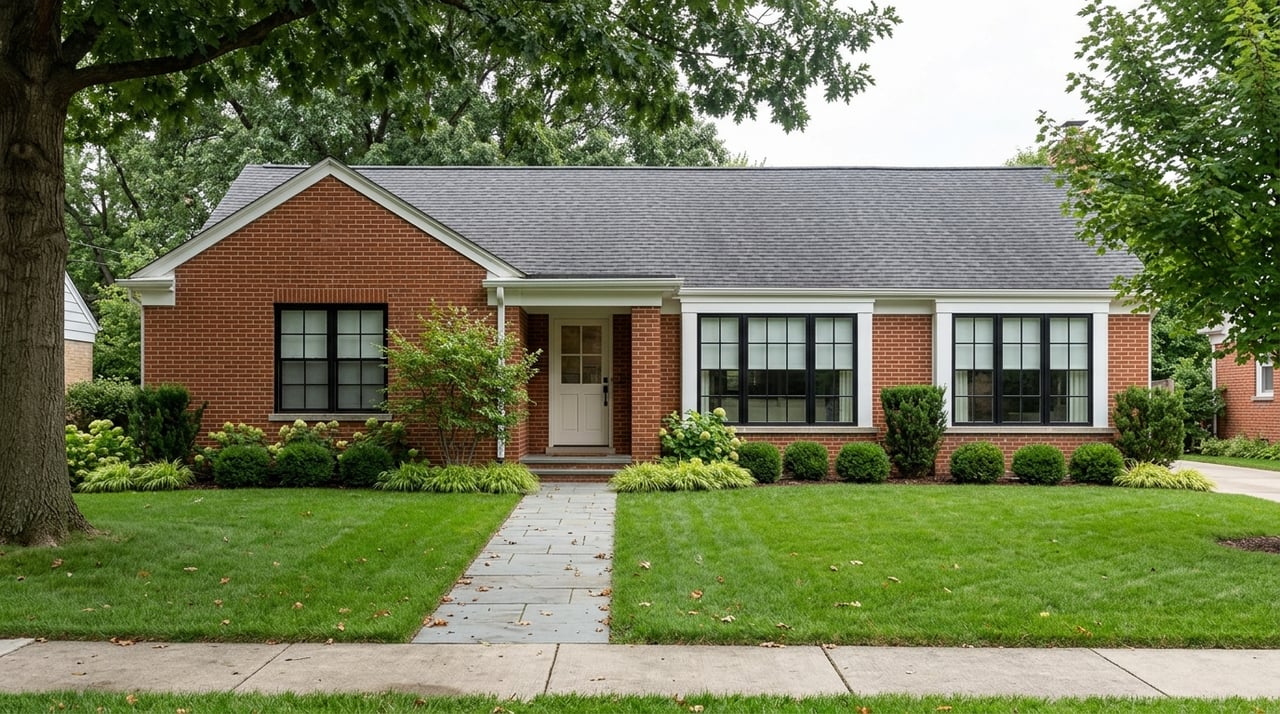
Established areas often appeal to buyers who want a stronger sense of place. Near downtown and in older sections of the city, you may notice historic context, long-standing street patterns, and architecture that reflects Naperville’s earlier growth. For many buyers, that character is a major draw.
Another advantage is mature landscaping. The city notes that trees beautify and add value to homes and neighborhoods, and older areas have simply had more time for canopy and planting to fill in. That can create a more settled feel from the moment you arrive.
It is also worth knowing that established areas can bring more renovation and preservation considerations. The city requires permits for construction work, and it separately defines teardown and redevelopment for some single-family projects in areas without master grading plans or where a house is being replaced. If you are buying an older home, it is smart to look closely at renovation scope, site conditions, and long-term maintenance expectations.
Historic district considerations
Naperville also has a local historic district with about 253 homes within roughly 320 properties. In that district, the city says improvements should remain consistent with the neighborhood’s historic, architectural, and aesthetic character.
If you are drawn to a home in that setting, the appeal may be clear right away. Still, you will want to understand how preservation expectations may affect future updates or exterior changes. For the right buyer, that is part of the value and charm.
What newer Naperville areas offer
Newer parts of Naperville often appeal to buyers who want a more uniform neighborhood plan and a home that aligns with modern building expectations. City planning documents point to newer housing being concentrated farther from the older downtown core, especially south of 75th Street. These areas are more likely to feature curving streets and cul-de-sacs rather than a traditional grid.
New development also follows a different technical path. The city defines new development as single-family construction in subdivisions with a master grading plan, which usually means more standardized site planning and a more consistent neighborhood finish. For many buyers, that predictability is a real advantage.
Naperville also encourages green building practices in new development, redevelopment, and renovations. That does not mean every newer home is the same, but it does mean newer construction may align more naturally with modern efficiency and infrastructure expectations.
The trade-off in newer areas
The biggest trade-off is often the landscape itself. In newer neighborhoods, trees and plantings are usually younger, so the visual maturity of the area may still be developing. The neighborhood identity may feel more closely tied to the subdivision plan than to older architecture or long-established tree cover.
That is not necessarily a drawback. It simply means your priorities matter. Some buyers want a polished, newer environment with a more planned layout, while others want the texture and visual depth that come with time.
Comparing established and newer areas
The best choice usually comes down to what you want to experience every day. Both types of areas can work beautifully, but they support different lifestyles and expectations.
| Feature | Established Areas | Newer Areas |
|---|---|---|
| Typical location pattern | More often near downtown | More often south of 75th Street |
| Street layout | Traditional grid, smaller lots | Curving streets, courts, cul-de-sacs |
| Character | Historic context and older neighborhood patterns | More standardized subdivision planning |
| Landscaping | More mature trees and planting | Younger landscaping that needs time to fill in |
| Renovation factors | More due diligence on updates, systems, or redevelopment | More uniform site planning through master grading plans |
| Overall feel | Settled, layered, character-driven | Planned, consistent, newer-build oriented |
How commute patterns can guide your choice
In Naperville, commute convenience can make this decision much easier. The city is served by two Metra commuter rail stations: the downtown Naperville station at 105 E. 4th Ave. and the Route 59 station at 1090 N. Route 59 in Aurora. Pace bus routes connect the two stations and run along major roadways, and the city also maintains an extensive road network supported by centralized traffic management.
That means your ideal location may depend less on the house itself and more on how you move through the city. Homes closer to central Naperville may offer easier access to the downtown station and downtown amenities. Homes in outer and newer neighborhoods may fit better if your routine works well with driving or with access to the Route 59 station.
If you commute regularly, map your actual week before you choose. Think about where you need to be in the morning, how often you head downtown, and whether a central location or a newer outer neighborhood better supports that rhythm.
A practical way to decide
When buyers compare established and newer parts of Naperville, the clearest answer usually comes from a few simple questions. Your goal is to match the home’s setting with the lifestyle you want now and the upkeep you feel comfortable managing later.
Ask yourself:
- Do you want more architectural character or a more standardized new-build feel?
- Do you prefer mature tree canopy or newer landscaping that will grow over time?
- Do you want closer access to downtown and the historic core?
- Would you rather have a subdivision pattern with more predictable site planning?
- Are you comfortable with the renovation or preservation considerations that can come with older homes?
These questions matter because neither option is automatically better. The right choice is the one that fits your priorities with the least compromise.
Why this choice matters in Naperville
Naperville is not a one-note market. City planning documents show a community shaped by both long-established areas and decades of newer growth. That gives you a rare chance to choose between two distinct residential experiences without leaving the same city.
If you value character, mature trees, and proximity to the historic core, established areas may stand out. If you prefer a newer neighborhood pattern, more uniform site planning, and a more recently built home, newer areas may feel like the better match.
A thoughtful home search should go beyond square footage and finishes. It should also account for how a neighborhood has developed, how it functions day to day, and how well it supports the life you want to build in Naperville.
If you want a discreet, high-touch perspective on where your priorities align best in Naperville, Jill Clark can help you compare locations, home styles, and lifestyle fit with care and clarity.
FAQs
Which parts of Naperville are considered older or more established?
- In city planning materials, the oldest housing is generally near downtown Naperville, while newer housing is generally concentrated south of 75th Street.
What does an established area in Naperville usually mean for home maintenance?
- Established areas often offer mature trees and long-standing neighborhood character, but they may also involve more due diligence around renovations, permits, grading, or redevelopment conditions.
What does a newer area in Naperville usually mean for upkeep?
- Newer areas often include more standardized site planning through subdivision development and master grading plans, but landscaping is usually younger and still maturing.
How do newer neighborhoods in Naperville usually look and feel?
- Newer neighborhoods are more likely to have curving streets, courts, and cul-de-sacs, with a more planned suburban layout than the traditional grid found in older areas.
How should commute needs affect where you buy in Naperville?
- Naperville has two Metra stations, Pace bus connections, and a large road network, so your best fit may depend on whether you want easier access to downtown Naperville, the Route 59 station, or a drive-based routine.
What should buyers know about homes in Naperville’s historic district?
- Naperville’s local historic district includes about 253 homes within roughly 320 properties, and improvements there should remain consistent with the neighborhood’s historic, architectural, and aesthetic character.