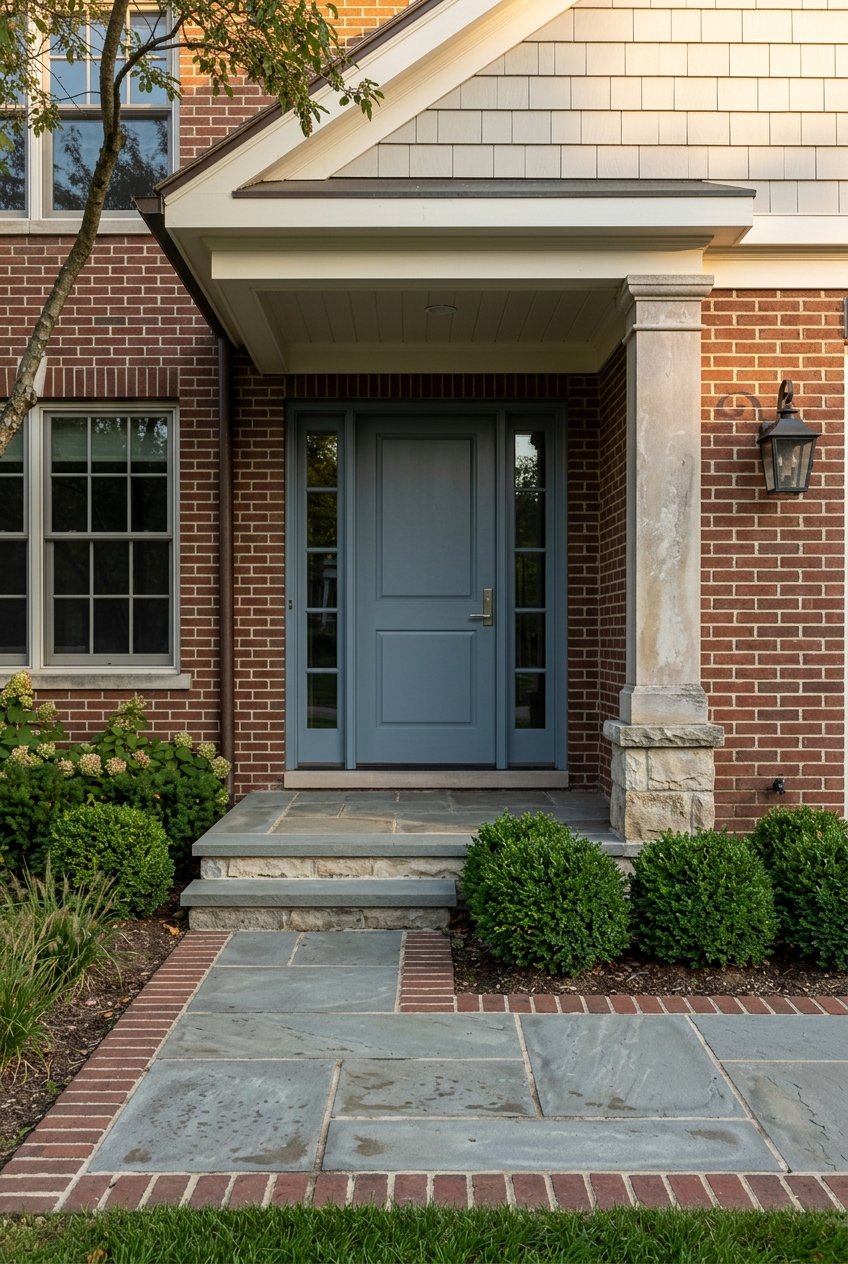
If you have ever scrolled through Naperville listings and thought, this looks traditional, but what style is it really? you are not alone. In Naperville, homes often blend broad house forms with more specific architectural styles, which can make it harder to tell what gives a property its character and value. Once you know what to look for, you can read a home’s design more clearly, spot meaningful details faster, and tour with more confidence. Let’s dive in.
Why architecture matters in Naperville
Naperville’s architecture tells a long story. Founded in 1831 and incorporated in 1857, the city now has more than 150,000 residents, and its housing stock reflects both historic roots and later suburban growth.
That history is not just background. Naperville created its local historic district in 1986, and it includes about 320 properties, with roughly 250 homes. The federal historic district was established in 1977 and includes about 492 contributing buildings and 86 non-contributing structures.
For you as a buyer or seller, that means architectural style is more than a design preference. In some parts of Naperville, it can shape how a home is described, updated, and evaluated over time.
How Naperville homes are often labeled
One of the most useful things to know is that local listings do not always use precise architectural terms. A home may be described as “traditional,” “colonial,” or “estate,” even when its strongest features point to a more specific style.
Naperville’s survey work identifies styles such as American Foursquare, Craftsman, Queen Anne - Free Classic, Colonial Revival, and Gable Front Cottage. The city’s historic materials also note that bungalow forms spread quickly after 1905.
So if a listing feels a little vague, that does not always mean it is inaccurate. It often means the home is a hybrid, or that the market label is broader than the architectural vocabulary behind it.
Traditional two-story homes
In Naperville, many buyers notice the classic two-story house first. These homes often draw from Colonial Revival or American Foursquare design, even if the listing simply calls them traditional.
Colonial Revival features
Colonial Revival homes usually feel balanced and formal from the street. You will often see symmetrical massing, hipped or gabled roofs, double-hung windows, front porches, and classical details like columns, pilasters, fanlights, or Palladian windows.
Inside, these homes often feel orderly and structured. The layout may center around a hall, which gives the interior a more formal flow than an asymmetrical historic home.
American Foursquare features
American Foursquare homes are typically two-story houses with a square plan and a hipped roof. They often have a symmetrical facade, a full-width porch, and large square interior rooms.
If you like homes that feel substantial, straightforward, and highly usable, this is a style worth recognizing. In Naperville, it is one of the key style families documented in the city’s survey work.
Craftsman, bungalow, and cottage homes
Naperville’s older in-town housing stock also includes more compact homes with distinct personality. These include gable-front cottages, bungalow forms, and Craftsman-influenced homes.
What defines a bungalow or Craftsman home
Craftsman and bungalow houses are generally one to one-and-a-half stories. They often feature low-pitched roofs, wide eaves, exposed rafters, deep porches, and thick square columns.
These homes usually have a lower, wider, more grounded presence on the lot. Compared with taller two-story houses nearby, they often feel more relaxed and approachable from the street.
Why these homes stand out in Naperville
Naperville’s historic-district survey notes that the bungalow spread rapidly after 1905 and was often built from published plans. That helps explain why you may see repeated forms with small differences in porch design, trim, or roofline.
The city’s 2026 survey update also specifically lists the Gable Front Cottage. That term is helpful if you are searching older in-town homes and want more precise vocabulary than “small historic home” or “charming cottage.”
Queen Anne and other high-character historic styles
Some Naperville homes have a more dramatic presence. When you see steep roofs, varied shapes, textured surfaces, and lots of visual movement, you may be looking at Queen Anne or another richly detailed historic style.
Queen Anne features
Queen Anne homes are typically two- to three-story, asymmetrical houses. Common features include steep roofs, decorative shingles, porches, and strong visual variety across the facade.
Inside, Queen Anne homes often feel less rigid than formal two-story traditional houses. Their interiors may flow asymmetrically around a central staircase, which creates a more layered and varied experience from room to room.
Italianate features
Italianate is another useful local reference point. This style is usually more vertical in feeling, with low overhanging roofs, decorative eave brackets, and tall, narrow windows.
In some examples, you may also notice a tower or cupola. If the home pulls your eye upward rather than outward, Italianate may be part of the story.
Prairie School as a local design clue
Prairie School is not the most common label you will see in a listing, but it is still important vocabulary in Naperville. The city identifies the Truitt House as a good local example of Prairie School design.
This style emphasizes horizontal lines, low-pitched rooflines, wide eaves, and banded windows. It also tends to show a stronger connection between interior space and exterior form, which can make the house feel more unified as a design statement.
If you are drawn to architecture that feels clean, low, and integrated with the site, Prairie School details are worth learning to spot.
What “custom estate” usually means
In Naperville, “custom estate” is better understood as a market term than a historic style. It usually refers to a one-of-a-kind home with site-specific design choices and a more individual architectural identity than a standard builder plan.
For luxury buyers and sellers, this distinction matters. The term often signals scale, stronger curb presence, and a more formal interior sequence, but it does not tell you the actual style on its own.
That is why it helps to look past the label. A custom estate may borrow from Colonial Revival, traditional two-story design, or other style families while still presenting itself as a unique residence.
How to identify a home’s style quickly
When you are reading a listing or walking a property, start with the exterior. The fastest clues are usually the roofline, porch, and overall symmetry.
Curb appeal clues to watch
Balanced facades and classical porch details often point toward Colonial Revival or another traditional two-story style. Low, wide, horizontal massing usually suggests Craftsman or Prairie influences.
Irregular rooflines, bays, shingles, and wrap-around porches are common Queen Anne clues. Verticality, bracketed eaves, and tall windows often point toward Italianate.
Interior clues to watch
Inside, focus on circulation and ornament. A formal center-hall layout often aligns with Colonial Revival, while a more fluid and asymmetrical layout may suggest Queen Anne.
Craftsman and bungalow interiors often feel warmer and more hand-built. Built-in cabinets, bookshelves, mantels, crown molding, and other visible character details can help you tell whether the home’s original style still reads clearly.
How to tell if a home is original or updated
This is one of the smartest questions you can ask in Naperville. The goal is not to avoid updates, but to understand whether the home’s defining character is still intact.
Look at the roof shape, window pattern, porch depth, stair location, and built-in details. If those core elements still match the home’s style, the house may retain much of its original architectural identity even if kitchens, baths, or finishes have been modernized.
This can be especially useful in older homes where listing language focuses on renovations. The updates matter, but the underlying style often tells you just as much about long-term appeal.
Historic district considerations for buyers and sellers
If a property is in Naperville’s local historic district or is a local landmark, exterior changes may require a Certificate of Appropriateness. Properties in the federal district may also be documented as historically significant.
That does not mean owning one of these homes is unusually difficult. It does mean that style vocabulary matters because repairs, additions, and visible exterior changes are evaluated for compatibility with the building’s original character and the surrounding district.
Naperville’s preservation rules emphasize compatibility in scale, style, exterior features, building placement, and site access. If you are considering a historic property, understanding the home’s architecture can help you make better decisions from the start.
Best style terms to know in Naperville
If you want to search more effectively or speak more confidently during tours, these are the most useful terms to keep in mind:
- Colonial Revival
- American Foursquare
- Craftsman
- Bungalow
- Queen Anne
- Gable Front Cottage
- Prairie School
- Italianate
These terms map closely to the styles documented in the city’s survey work and the style guides referenced in the research.
Why this knowledge helps in a competitive market
Architecture gives you a better lens for comparing homes that may seem similar at first glance. Two houses can have the same bedroom count and general location, but very different design value, renovation potential, and visual identity.
For sellers, style clarity can also strengthen how a home is positioned. Precise language helps buyers understand what they are seeing and why a property stands apart.
In a market like Naperville, where historic character and polished presentation both matter, understanding architectural style can help you evaluate homes with more confidence and communicate their value more clearly. If you are preparing to buy or sell a distinctive property, Jill Clark can help you navigate the details with a thoughtful, informed approach.
FAQs
What architectural styles are common in Naperville homes?
- Common Naperville styles include Colonial Revival, American Foursquare, Craftsman, Bungalow, Queen Anne, Gable Front Cottage, Prairie School, and Italianate.
How can you identify a Colonial Revival home in Naperville?
- Look for symmetry, double-hung windows, a hipped or gabled roof, a front porch, and classical details such as columns, pilasters, fanlights, or Palladian windows.
What makes a Naperville bungalow or Craftsman home different?
- These homes are usually one to one-and-a-half stories and often feature low-pitched roofs, wide eaves, exposed rafters, deep porches, and thick square columns.
What does “custom estate” mean in Naperville real estate listings?
- In Naperville, “custom estate” is usually a market category for a one-of-a-kind, individually planned home rather than a specific historic architectural style.
What should you know about buying a home in Naperville’s historic district?
- If a home is in the local historic district or is a local landmark, exterior changes may require a Certificate of Appropriateness, and updates are reviewed for compatibility with the home’s original character.
How can you tell if a Naperville historic home has kept its original character?
- Check whether the roof shape, window pattern, porch depth, stair location, and built-in details still match the home’s architectural style.